Skyscrapers in Saudi Arabia and Their Impact on the Real Estate Market
2025-08-01
4,894 Views


Development of Skyscrapers in Saudi Arabia
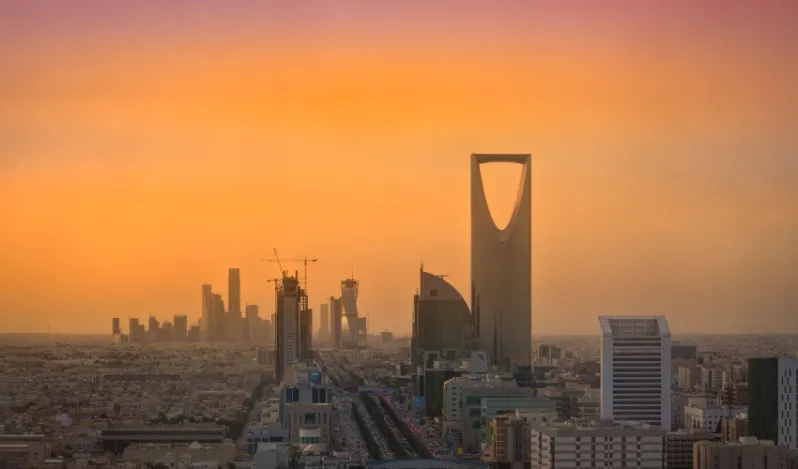
The story of skyscrapers in Saudi Arabia began with the rapid economic growth and the oil boom in the late 20th century. This growth was accompanied by a government push to modernize urban infrastructure, especially in major cities like Riyadh and Jeddah. Since the early 2000s, skyscrapers have become symbols of this transformation. Among the first major projects were Al Faisaliah Tower and Kingdom Tower in Riyadh, which marked the beginning of a new era of vertical urban development.
Later, followed other ambitious projects like the Makkah Clock Tower and the currently under-construction Jeddah Tower, expected to be the tallest building in the world. This development was not only for architectural beauty but was part of a strategic plan to increase land use efficiency and offer innovative residential and commercial solutions amid population growth.
How many living rooms are in the apartment?

Major Skyscrapers in Saudi Cities
Several Saudi cities have seen a notable rise in skyscrapers, which have become a core part of the kingdom's modern urban identity. Below is a look at some of the most iconic towers by city:
- Riyadh:
- Kingdom Tower: One of the capital’s most famous landmarks, rising over 300 meters. It includes commercial offices, residential apartments, and upscale shopping centers, making it an economic and touristic attraction.
- Al Faisaliah Tower: One of the first skyscrapers in the country, known for its elegant pyramidal design. It houses offices, a luxury hotel, and a shopping mall.
- Jeddah Tower: An ambitious project currently under construction, expected to surpass 1,000 meters in height and become the tallest tower in the world. It will include residential, commercial, and entertainment facilities.
- Makkah Clock Tower (Abraj Al-Bait): One of the world’s largest towers by volume, featuring a hotel, an Islamic center, and a museum. It is a prominent landmark for Muslims worldwide.
Get a free real estate consultation
What is your preferred way of communication? How would you like to be contacted?

Get a free real estate consultation
Choose the appropriate day for us to contact you
- The Line Project: A revolutionary concept in vertical cities, planning a 170 km-long urban structure with tall buildings. It redefines the use of skyscrapers sustainably and smartly, representing a leap into a futuristic urban model.
These towers reflect the kingdom’s ambition to build modern cities with world-class standards, positioning Saudi Arabia as a major global player in urban development.
The Impact of Skyscrapers on the Saudi Real Estate Market
Start a chat
Talk to us on your favorite channel







1. Impact on Prices
Skyscrapers have directly contributed to increasing property prices in surrounding areas due to the prestigious status these projects grant to any location. Areas near skyscrapers often experience heightened real estate demand from investors and residents alike. The added value of towers in terms of services and facilities makes apartment and office prices within them significantly higher than in other locations. These high-rise buildings often symbolize luxury and modernity, justifying their premium prices and attracting both local and international elites.
2. Impact on Investment Trends
Are you ready to invest? Which apartment type do you prefer?
 Studio
 One bedroom
 Two bedrooms
 3 bedrooms or more
Select region
Skyscrapers have shifted real estate investment trends in the kingdom, making vertical property investment more attractive than traditional horizontal developments. Many real estate developers are now focusing on tower projects because they offer mixed-use spaces for living, business, hospitality, and entertainment, enhancing profitability and return on investment. These projects often receive governmental support in terms of permits and infrastructure services, encouraging investors to enter the sector with confidence. This trend is expected to continue amid growing demand for centrally located, well-developed properties.
3. Impact on Lifestyle
Skyscrapers have introduced a new urban lifestyle in Saudi cities, providing residents with an integrated experience where they can live, work, and shop without needing long commutes. Modern residential towers offer comprehensive amenities like gyms, swimming pools, recreational areas, and security services, making living in them more comfortable and high-quality. Commercial towers create premium work environments that boost productivity and offer ideal business locations in city centers. This shift has promoted the concept of smart and sustainable cities, attracting young people and modern families to reside in these developments.
4. Impact on Demand Distribution
Skyscrapers have helped redirect real estate demand from the outskirts to city centers, especially in Riyadh and Jeddah, where areas surrounding the towers have become prime real estate hotspots. This shift reduced unorganized horizontal expansion and encouraged focused urban development, making it easier to enhance infrastructure and services. The new distribution of demand has also balanced the market, pushing developers to prioritize vertical projects in central zones over suburban compounds, positively affecting urban quality of life and sustainability.
Challenges of Building Skyscrapers
How many living rooms are in the apartment?
Despite the significant benefits that skyscrapers offer, their construction comes with a set of challenges that require thorough study and high-level planning. These include:
- High Costs: Skyscrapers demand massive investments in building materials, advanced construction technologies, and skilled labor, making them among the most expensive real estate projects in the kingdom.
- Long Execution Time: These projects cannot be completed overnight. They require years of planning and implementation, including engineering, construction, safety testing, and regulatory approvals.
- Regulatory and Legislative Challenges: Such projects often face complications in obtaining permits, meeting safety and environmental standards, and adhering to building codes, especially in major cities.
- Need for Advanced Infrastructure: To ensure functionality, skyscrapers must be supported by strong infrastructure, including roads, water networks, electricity, communications, and emergency services, which requires significant coordination with government entities.
- Potential Environmental Impact: Concerns are often raised about the environmental effects of skyscrapers in terms of energy consumption, waste production, building shadows, and their impact on the urban ecosystem, particularly in densely populated cities.
Nevertheless, Saudi Arabia has successfully overcome many of these challenges by adopting the latest in sustainable construction technologies, leveraging global expertise, and committing to high safety and quality standards to ensure continued vertical growth in a balanced and well-studied manner.
Get a free real estate consultation
What is your preferred way of communication? How would you like to be contacted?
Get a free real estate consultation
Choose the appropriate day for us to contact you
Get the Best Real Estate Opportunities in Saudi Arabia with Imtilak Global
Amid this massive urban transformation and the growing investment opportunities in the real estate sector, Imtilak Global stands out as your ideal partner for securing the best real estate opportunities in Saudi Arabia. With our extensive experience and deep understanding of the Saudi market, we provide our clients with exceptional projects in the kingdom’s most prominent skyscrapers and upscale residential complexes.
Whether you're looking for a modern home, a premium office, or a promising investment opportunity, we at Imtilak Global keep up with the latest urban trends and collaborate with top real estate developers to offer you tailored real estate solutions. Don’t hesitate to contact us for a free consultation and let us help you make a confident and well-informed decision. Invest in the future with Imtilak Global.
Do you like this topic? You can share it with your friends now!


Do you like this topic? You can share it with your friends now!
Need real estate help?
Consult with our specialist

More From Imtilak