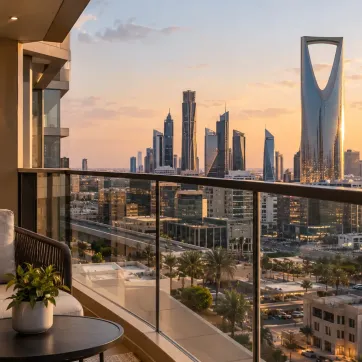
Challenges Facing Foreign Investors in Saudi Real Estate
2025-11-11
5,346 Views



What are the challenges facing foreign investors in Saudi real estate?
1. Legal and Regulatory Challenges
The laws and regulations governing foreign ownership of real estate in Saudi Arabia are among the most significant obstacles facing foreign investors. Although the country has eased some restrictions on foreign property ownership, there are still several regulatory procedures that must be followed. These challenges include restrictions on property ownership in certain areas reserved exclusively for Saudi or Gulf Cooperation Council (GCC) citizens, while foreigners are only allowed to own property in designated investment areas. However, identifying these investment areas remains a major challenge for foreign investors in KSA, as they need to be fully aware of the available locations and growth opportunities. Additionally, some real estate projects require special permits from regulatory authorities, which can further complicate the investment process.
How many living rooms are in the apartment?

Moreover, the bureaucratic procedures for obtaining the necessary licenses for real estate investment in Saudi Arabia involve multiple complex steps, which can take a long time and impact project execution timelines. The registration process and property ownership transfer are among the most time-consuming stages, especially for investors who lack sufficient knowledge of local procedures. Furthermore, the real estate sector is directly influenced by ongoing legal amendments, such as changes in foreign investment laws, which may affect investors’ plans and strategies. It is crucial to stay updated on legal developments through relevant authorities and consult legal advisors to ensure full compliance with the regulations, thereby reducing risks and achieving a successful and sustainable investment.
2. Financial and Tax Challenges
Foreign investors also face financial and tax-related challenges that may impact their investment decisions. Among these challenges are:
- Financing requirements: Obtaining real estate financing from Saudi banks can be difficult for foreign investors, as some banks impose strict conditions on granting loans to non-citizens. These conditions include providing substantial financial guarantees and, in some cases, requiring a local guarantor. Additionally, high-interest rates on mortgage loans for foreigners may make investments less attractive compared to local investors.
- Taxation costs: Real estate taxation in Saudi Arabia includes the Real Estate Transaction Tax (RETT) and Value Added Tax (VAT) on certain property transactions, which increases the cost of investment. Investors also face registration fees and administrative service charges that can add to their financial burdens.
- Currency exchange fluctuations: Exchange rate volatility between the Saudi Riyal and foreign currencies can impact investment returns, particularly for investors from countries with unstable currencies. This fluctuation can lead to unexpected losses when converting profits or covering operational costs for real estate projects.

Get a free real estate consultation
What is your preferred way of communication? How would you like to be contacted?

Get a free real estate consultation
Choose the appropriate day for us to contact you
3. Economic and Market Challenges
Foreign investors in the Saudi real estate market face economic challenges, including:
Start a chat
Talk to us on your favorite channel







- Fluctuations in property prices: Continuous changes in supply and demand can lead to unexpected increases or decreases in real estate prices, affecting investment returns. The Saudi market requires in-depth analysis to ensure secure investment, as some areas experience rapid price hikes while others see declining property values.
- Inflation and interest rates: Inflation and interest rates impact financing costs, as rising interest rates can reduce the appeal of real estate investment. As inflation increases, investors may find themselves paying higher operational costs, which affects long-term profitability.
- Competition with local investors: Foreign investors face stiff competition from local investors who have deeper market experience, which may limit foreigners’ chances of acquiring properties at competitive prices. Local investors often have stronger relationships with government agencies and real estate developers, giving them an additional advantage in securing better deals.
4. Administrative and Logistical Challenges
Administrative processes and logistical difficulties pose a major challenge for foreign investors, as they must deal with:
Are you ready to invest? Which apartment type do you prefer?
 Studio
 One bedroom
 Two bedrooms
 3 bedrooms or more
Select region
- Property registration procedures: The registration process for foreign investors can be complex and take longer compared to local investors. Investors must handle translated documents and contracts in addition to unfamiliar legal procedures.
- Finding reliable investment opportunities: Identifying safe and profitable real estate projects can be difficult for foreign investors without professional real estate consultancy support. The Saudi market is dynamic, making it essential to conduct comprehensive feasibility studies before purchasing a property.
- Dealing with developers and real estate brokers: Assessing the credibility of some real estate companies can be challenging, requiring thorough research and verification of project reliability. Foreign investors should ensure that the real estate projects they invest in have clear legal records and valid permits.
5. Cultural and Social Challenges
Cultural norms and social customs influence foreign investors' decisions in the Saudi market, and the key challenges include:

- Cultural differences: There may be differences in property usage regulations and concepts between foreign investors and the local community. Cultural gaps can affect how properties are managed and leased, as tenants and residents in Saudi Arabia have different expectations compared to those in other countries.
- Rental regulations: Some foreign companies may face difficulties in dealing with local rental laws and negotiating lease agreements. Rental contracts in Saudi Arabia require careful review to avoid potential legal disputes.
- Adapting to local laws: Foreign investors must understand local customs and legal regulations that may impact property usage and investment. Some laws require specific conditions for leasing or property utilization, which may limit a foreign investor's ability to manage their real estate freely.
How to Overcome These Challenges
To ensure a successful real estate investment in Saudi Arabia, foreign investors must take proactive measures to address potential challenges. Working with experienced legal consultants is essential to ensure compliance with local regulations and benefit from their expertise in handling complex bureaucratic processes. Additionally, investors should focus on exploring opportunities in designated investment zones, carefully evaluating their potential returns. Collaborating with reputable real estate developers minimizes the risk of administrative or legal issues. Finally, investors can enhance their chances of success by leveraging government incentive programs that facilitate foreign entry into the Saudi real estate market.
How many living rooms are in the apartment?
Book a Free Real Estate Consultation with Imtilak Global
If you are looking for safe investment opportunities in Saudi Arabia, Imtilak Global offers free real estate consultations to help you make informed investment decisions. With our team of experts, you will receive comprehensive support in selecting the best properties and analyzing investment returns. Don’t miss this opportunity—book your free consultation now and start a successful investment journey with Imtilak Global.
Do you like this topic? You can share it with your friends now!


Do you like this topic? You can share it with your friends now!
Need real estate help?
Consult with our specialist