Real Estate Investment After the Approval of Saudi Foreign Property Ownership Regulations
2026-06-23
2,090 Views
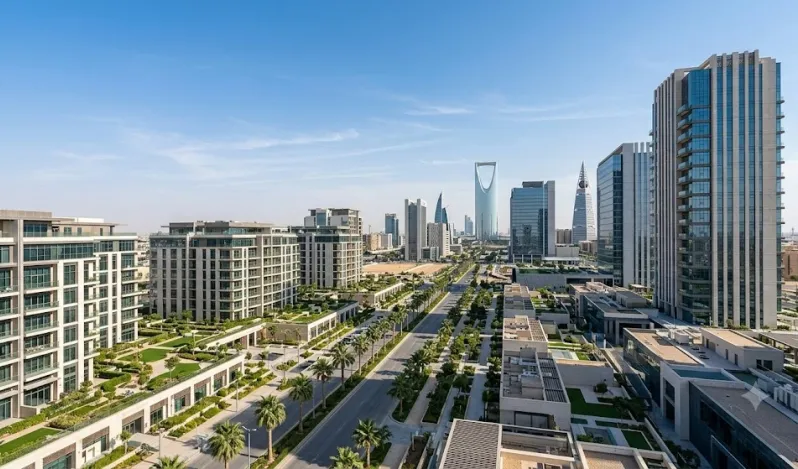


The session of the Saudi Council of Ministers held today, Tuesday, June 23, 2026, witnessed a package of strategic and regulatory decisions, including 15 pivotal resolutions. While the approval of the Executive Regulations for the law of real estate ownership by non-Saudis and the designation of its geographic zones dominated the real estate landscape, a closer analysis of the other issued international and municipal resolutions reveals an integrated development vision aimed at elevating the market's attractiveness and driving the influx of foreign capital.
For international investors and global corporations looking to buy apartments or engage in real estate investment in Saudi Arabia for foreigners across mega-projects, these decisions form a cohesive legislative safety net and an advanced infrastructure that enhances returns and ensures ownership stability.
Regulations for Non-Saudi Property Ownership and Designated Geographic Zones
The executive regulations approved by the Council represent the clearest legal roadmap in the history of the Kingdom’s real estate sector:
-
Parameters of Geographic Zones: Real estate ownership is no longer subject to individual interpretations or uncertainty. Instead, the regulations explicitly define the master plans and locations available for direct investment within major cities like Riyadh and Jeddah. This designation protects both property developers and investors from legal vulnerabilities, ensuring that liquidity is directed toward high-capital-appreciation destinations.
-
Regulation of Fees and VAT: The regulations establish clear, defined boundaries for foreign real estate transaction fees, alongside streamlining procedures via digital identity ecosystems and platforms like "Absher". This digital transformation cuts through bureaucracy and accelerates title deed transfers, resulting in faster capital cycles for international buyers.
-
The Sanctity of the Two Holy Cities: The regulations firmly uphold the established rules that restrict property ownership within Makkah and Medina, ensuring strict regulatory controls that preserve religious and strategic privacy.
How Other Cabinet Decisions Impact Your Property’s Value
Beyond the core property laws, the Council of Ministers approved international memoranda of understanding (MoUs) that directly upgrade the infrastructure and operating ecosystem surrounding real estate developments:
1. Municipal and Housing Partnership with China (Accelerating Development Speed & Quality)
The Council authorized the Minister of Municipalities and Housing to sign an MoU in the municipal and housing sectors with the Ministry of Housing and Urban-Rural Development of the People's Republic of China.
-
The Real Estate Impact: Infusing advanced Chinese technology in smart building, sustainable construction, and mega-suburb development will expedite the delivery of off-plan properties in Saudi Arabia and reduce long-term operational costs. This significantly enhances the value proposition of residential apartments for international buyers.
2. Energy Sector Cooperation with Germany (Smart & Sustainable Buildings)
The Council approved an MoU for cooperation in the energy field between the Saudi Ministry of Energy and the Federal Ministry for Economic Affairs and Energy of Germany.
-
The Real Estate Impact: Saudi property developers are pivoting aggressively toward green building codes. Partnering with Germany in energy efficiency ensures that new residential and commercial projects will utilize advanced energy-saving systems. This directly minimizes service charges and maintenance fees for foreign owners, supporting targeted ROI levels.
3. Small and Medium Enterprises (SMEs) Organization with Oman
The Council approved a cooperation memorandum to enhance the development of the SME and entrepreneurship sector with the Sultanate of Oman.
-
The Real Estate Impact: A booming corporate landscape and flourishing startups automatically increase occupancy rates for commercial and office spaces. It also triggers a strong cascading demand for renting residential apartments surrounding primary business hubs by foreign entrepreneurs and international professionals.
Financial Implications and ROI Calculations
Opening structured, zone-regulated real estate ownership to non-Saudis completely redefines the financial landscape:
| Target Financial Impact | Executive Mechanism Based on Resolutions | Outcomes for Foreign Investors |
| Capital Appreciation | Confining foreign ownership to designated high-growth zones and giga-projects. | Concentrated international demand accelerates asset value growth and increases secondary market resale options. |
| Expanded Financing Channels | Highly transparent regulatory frameworks substantially lower risk metrics for institutional lenders. | The availability of more flexible, competitive, and structured mortgage options for resident and non-resident foreign buyers. |
| Rental Yield Growth | Influx of multinational corporations and global talent driven by a secure, standardized legal environment. | Sustained upward pressure on rental yields, particularly within luxury residential compounds and premium apartments. |
How to Capitalize on These Decisions Operationally as an Investor
The legislative groundwork has been solidly laid out. However, the most critical operational step lies in choosing the exact asset that strictly complies with the newly designated geographic zones to ensure a seamless title deed transfer and maximum financial efficiency.
At Imtilak Global Saudi Arabia, we monitor these legislative updates in real-time through our legal and advisory divisions. We provide you with rigorous technical analyses of approved zones, guiding you to select the precise apartment or property that delivers the highest financial returns in full alignment with the latest cabinet decrees.
Contact our local consultants now to receive a comprehensive, complimentary consulting session tailored to the newly issued executive regulations.
Do you like this topic? You can share it with your friends now!


Do you like this topic? You can share it with your friends now!