How Does Inflation Affect Real Estate Prices in Saudi Arabia?
2025-11-05
5,525 Views


The Relationship Between Inflation and the Real Estate Market
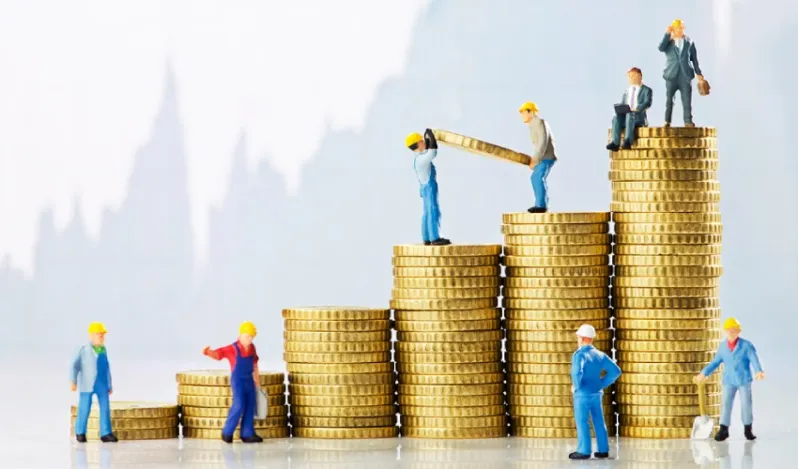
Inflation is an economic phenomenon characterized by a general increase in prices and a decrease in the purchasing power of the currency. The real estate market is one of the sectors most affected by inflation due to its reliance on several interconnected factors, such as the cost of raw materials, interest rates, and overall demand for residential and commercial properties. In Saudi Arabia, the economy is undergoing significant developments amid global inflation, where real estate prices are directly influenced by changes in the value of the Saudi riyal compared to other currencies, in addition to local factors such as construction costs and real estate financing.
As inflation rates rise, the costs of real estate projects increase, which is reflected in the final prices of residential and commercial units. This may lead to shifts in investment patterns and buyer behavior in the market.
The Impact of Inflation on Supply and Demand in the Saudi Real Estate Market
When inflation rises, supply and demand levels in the real estate market are significantly affected, as economic changes lead to dynamic shifts in purchasing and investment trends.
- The impact of inflation on demand: Rising prices reduce the purchasing power of individuals, which may lower the demand for real estate, especially among lower-income groups. However, some investors see real estate as a haven to protect their wealth, as properties are considered assets that retain their value over time.
- The impact of inflation on supply: Rising construction material costs, increasing labor expenses, and fluctuations in land prices lead to higher real estate development costs. These factors may push developers to delay certain projects or raise prices to offset increased operational costs.
- The varying effects of inflation on different real estate sectors: The impact of inflation varies depending on the type of property. Residential real estate may be affected by higher prices and reduced purchasing power, while commercial properties may experience relative stability due to continued demand for office and retail spaces. As for investment properties, they may become more attractive to investors seeking assets that protect their funds from devaluation due to inflation.
Real Estate Market Trends in Saudi Arabia Amid Inflation
As inflation rates rise, real estate market trends in Saudi Arabia shift according to various economic factors and government policies. In recent years, the country has witnessed major projects supported by Vision 2030, which aims to enhance the housing sector and increase homeownership rates among citizens. Despite inflation, the government continues to implement housing support programs such as the Sakani program, which helps stabilize demand in certain real estate segments.
Additionally, luxury and investment properties may see price increases, as investors continue to view the real estate sector as a long-term option to preserve capital against inflation. On the other hand, areas experiencing major urban development may continue to attract buyers despite inflationary challenges due to the growing demand for properties in regions with advanced infrastructure.
Strategies for Coping with Inflation in the Real Estate Market
With rising inflation, investors and buyers need to adopt effective strategies to ensure sound financial decisions.
- Study the market and target areas with sustainable growth: Investors should look for real estate opportunities in areas with increasing economic growth and continuous urban development, as properties in such areas can provide good long-term returns.
- Opt for fixed-rate mortgages: Investors relying on real estate financing should seek loans with fixed interest rates instead of variable rates to avoid the impact of rising interest rates caused by inflation. This helps maintain stable monthly costs.
- Improve construction efficiency and reduce building costs: Real estate developers can focus on using modern materials and techniques that reduce construction costs without compromising property quality, helping to mitigate the negative impact of inflation on project expenses.
- Diversify real estate investments: Investors are advised not to focus on a single type of real estate but rather distribute their investments across residential, commercial, and industrial properties. This diversification reduces market risks and provides multiple income sources.
- Monitor and benefit from government support programs: Buyers should take advantage of government-supported housing programs, such as subsidized loan programs or state-sponsored housing projects, which make property ownership more accessible at reasonable prices.
- Keep track of the real estate market and practice sound financial planning: Buyers and investors should closely follow real estate market trends and determine the best time to buy or invest based on economic indicators. This ensures more accurate and secure financial decisions.
Book a Free Real Estate Consultation with Imtilak Global
Given the economic changes affecting the Saudi real estate market, it is crucial to seek expert advice to make the right real estate decision. Imtilak Global offers specialized consulting services to help you choose the right property based on your needs and budget, whether you are looking for a home to live in or seeking a real estate investment. Do not hesitate to contact us to book your free real estate consultation and benefit from our extensive expertise in the Saudi real estate market, ensuring a sound financial decision that provides stability and the desired investment return.
Do you like this topic? You can share it with your friends now!


Do you like this topic? You can share it with your friends now!
More From Imtilak