What Happens if a Developer Delays Property Handover in Saudi Arabia?
2025-07-18
9,839 Views



The Importance of Timely Property Delivery
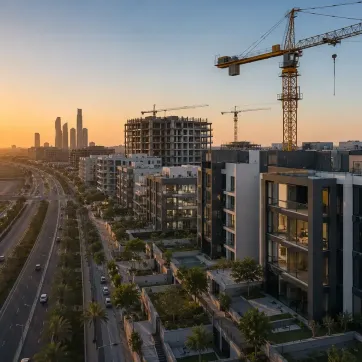
In the rapidly growing Saudi real estate market, which is witnessing significant expansion in residential and commercial projects, the importance of adhering to property delivery dates stands out as a key factor in building trust between developers and buyers. Respecting the delivery schedule is a sign of the developer’s credibility and professionalism, and it directly contributes to enhancing customer experience and stabilizing the real estate sector. When someone purchases a property unit, whether for residence or investment, they often plan their financial and professional life based on the delivery date.
How many living rooms are in the apartment?

Any unexpected delay becomes a source of financial stress and disruption, especially if the buyer relies on bank financing or temporary rent. Therefore, the issue of timely delivery is not just a contractual obligation but also a moral and economic commitment that affects the reputation of the developer and the real estate market as a whole.
What Is a Delay in Property Handover?
A delay in property handover occurs when the developer exceeds the agreed-upon delivery date in the contract without a legal justification or force majeure. In most real estate contracts, the delivery date is specified, and any delay beyond this date is considered a breach of contract unless a prior agreement between both parties exists to extend the deadline.
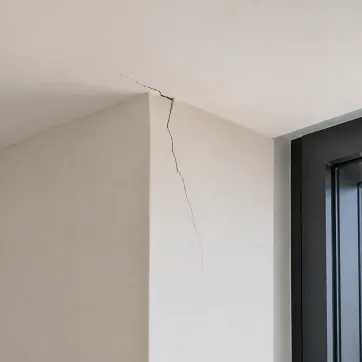
In the Saudi context, the laws and regulations place great emphasis on this matter, as the delivery date is one of the most important clauses in the contract and must be respected to protect the buyer’s rights. A delay may also include delivering a unit with specifications that do not match the agreement, which opens the door for legal claims.

Legal Rights of the Buyer in Case of Delay
When a developer delays property delivery, buyers in Saudi Arabia are granted several legal rights that protect them from any resulting harm. These rights are embedded within a well-structured legal framework aimed at safeguarding consumer interests and ensuring a balance with the developer. The key rights include:
Get a free real estate consultation
What is your preferred way of communication? How would you like to be contacted?

Get a free real estate consultation
Choose the appropriate day for us to contact you
- The right to compensation: Buyers have the right to claim financial compensation for damages resulting from the delay, whether financial (like temporary rent or lost investment opportunities) or emotional, due to stress and instability.
- The right to cancel the contract and recover paid amounts: If the delay is significant or leads to a project failure, buyers can request contract cancellation and a full refund of the amounts paid.
- The right to resort to legal or specialized committees: Buyers can file formal complaints with judicial bodies or real estate dispute resolution committees to seek justice.
- The right to enforce contract obligations: If the developer continues the project despite the delay, buyers can demand their unit as agreed, along with fair compensation.
- Legal protection under Saudi regulations: Laws such as the off-plan sales system and the Wafi Program offer buyers strong legal tools to hold developers accountable for unjustified delays.
These rights highlight the government’s commitment to consumer protection and build trust between developers and buyers, making property purchases safer and more reliable.
Start a chat
Talk to us on your favorite channel







Legal Obligations of the Real Estate Developer
Real estate developers in Saudi Arabia are legally required to fulfill specific obligations toward buyers. These responsibilities are essential for maintaining consumer confidence and enhancing transparency in the real estate market. The main obligations include:
Are you ready to invest? Which apartment type do you prefer?
 Studio
 One bedroom
 Two bedrooms
 3 bedrooms or more
Select region
- Adhering to the delivery schedule: Developers must deliver the property unit on the agreed date stated in the contract and ensure full compliance with the specified quality standards.
- Complying with agreed specifications: The delivered unit must match the contractual drawings and specifications in terms of size, finishing, and infrastructure.
- Notifying buyers of project updates: If any changes may affect the delivery timeline, developers must inform buyers formally and clarify the reasons and corrective actions.
- Bearing legal responsibility in case of default: If the developer fails to meet obligations without valid reasons, regulatory bodies may impose penalties, including fines, license suspension, or legal prosecution.
- Complying with regulations and official guidelines: Developers must fully adhere to the laws governing the real estate sector, including those issued by the Ministry of Municipal, Rural Affairs and Housing and the Wafi Program.
These obligations help ensure justice between developers and buyers, strengthen the market’s credibility, encourage investment, and reduce potential disputes.

The Role of the Wafi Program in Buyer Protection
The Wafi Program, operated by the Ministry of Municipal, Rural Affairs and Housing, plays a key role in protecting buyers from risks of delays in off-plan sales projects. The program requires developers to obtain official licenses before marketing any project. It also mandates that buyer funds be deposited in an escrow account, which can only be used according to actual construction progress.
How many living rooms are in the apartment?
This mechanism prevents developers from using buyer funds without real progress, reducing the chance of project failure or delay. Additionally, engineering teams monitor construction stages and submit regular reports to regulatory authorities, ensuring transparency. In case of unjustified delays, Wafi has the authority to temporarily or permanently suspend the project and require developers to refund buyers. This provides a significant safety net for consumers.
Real-Life Cases and Legal Precedents
Get a free real estate consultation
What is your preferred way of communication? How would you like to be contacted?
Get a free real estate consultation
Choose the appropriate day for us to contact you
The Saudi real estate market has seen several cases where project deliveries were delayed, leading to legal and regulatory actions. For example, in Riyadh, one developer delayed a residential project for more than 18 months. The Off-Plan Sales Committee intervened, imposed financial penalties, and required the developer to reschedule the project and compensate affected buyers.
In Jeddah, the Administrative Court ruled in favor of a buyer by ordering the developer to return all paid amounts and pay additional compensation after a delay that exceeded two years without justification.
These examples reflect the authorities’ commitment to enforcing real estate laws and protecting consumer rights. They also send a clear message to developers that breaches of delivery timelines have serious legal and financial consequences.
Imtilak Global's Advice to Buyers Before Signing a Contract
Based on our extensive experience in the Saudi real estate market, Imtilak Global offers several key recommendations to buyers before signing any property purchase contract to protect their rights and avoid delay-related issues:
First, it is essential to verify that the project is officially licensed under the Wafi Program, which ensures legal oversight and protection. Second, buyers should read the contract carefully, ensure that a clear delivery date is stated, and include penalty clauses in case of delay. Third, it is highly recommended to consult a legal advisor to review the contract and clarify any ambiguous terms.
Moreover, buyers should investigate the developer’s track record and previous delivery performance, as a developer’s professional history is a strong indicator of reliability. Finally, we advise choosing projects supervised by official entities or companies with a trusted reputation, such as those managed and marketed by Imtilak Global, where we commit to high standards of quality and timely delivery.
Do you like this topic? You can share it with your friends now!


Do you like this topic? You can share it with your friends now!
Need real estate help?
Consult with our specialist