Terminating a Property Purchase Agreement in Saudi Arabia
2026-08-05
6,191 Views



- What is Termination of a Property Purchase Agreement?
- Common Reasons for Terminating a Property Purchase Agreement in Saudi Arabia
- Legal Conditions for Terminating a Property Purchase Agreement in Saudi Arabia
- Effects of Terminating a Property Purchase Agreement
- The Difference Between Judicial and Mutual Termination
- Role of Official and Regulatory Authorities
- For All Legal Matters Related to Real Estate, Consult Imtilak Global
What is Termination of a Property Purchase Agreement?
Terminating a property purchase agreement is a legal procedure undertaken when one of the parties fails to meet essential contractual obligations, resulting in the cancellation of the contractual relationship and the obligations imposed on both parties. Termination is a recognized legal tool in the Saudi legal system to protect the rights of the contracting parties. The reason for termination must be legitimate and proven, and the aggrieved party must demonstrate actual harm caused by the other party's failure to comply.
The purpose of this procedure is to restore the situation to what it was before the agreement, as much as possible, whether by refunding paid amounts or returning the property to its original status. In Saudi Arabia, termination of contracts is governed by rules derived from Islamic Sharia law, as well as applicable regulations such as the Civil Transactions Law and the Law of Judicial Procedures.
Common Reasons for Terminating a Property Purchase Agreement in Saudi Arabia
Many reasons may lead one party to a property purchase agreement to seek termination, often related to breaches of essential terms or the emergence of legal or technical issues that hinder proper execution. Below are the most common reasons:
Delay in delivery by the seller: This is one of the most frequent causes, especially if the seller exceeds the agreed-upon timeframe or fails to comply with the property specifications. This is considered a fundamental breach that gives the buyer the right to terminate.
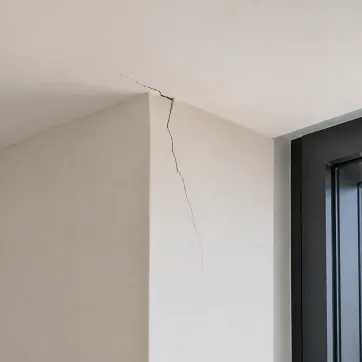
Discovery of hidden defects in the property: After signing the contract, it may become clear that the property suffers from structural issues, infrastructure problems, or service deficiencies, which reduce its value or render it unusable. This is a legally acceptable reason for termination.
Regulatory or legal violations: For example, if the property violates building codes or lacks the necessary permits, this exposes the buyer to unforeseen legal liabilities and justifies termination.
Delay in installment payments by the buyer: If the buyer fails to make payments on time, the seller may terminate the contract due to non-compliance with the agreed financial terms.
Fraud or misrepresentation in property data: If one party conceals key information or falsifies data related to the property, such as its location, area, or legal status, the other party has the right to terminate the contract to protect their interests.
Legal Conditions for Terminating a Property Purchase Agreement in Saudi Arabia
Termination of a property purchase agreement in Saudi Arabia cannot be done arbitrarily. It must meet specific legal conditions that ensure fairness and protect the rights of both parties. These conditions serve as safeguards for the party harmed by the other’s breach.
Existence of a substantial breach by one party: There must be a clear breach of one of the contract’s fundamental clauses, such as failure to deliver the property on time or failure to pay the agreed financial dues.
Proof of resulting harm: The affected party must present evidence of actual damage, whether financial or non-material, resulting from the breach.
Sending an official notice to the breaching party: It is essential to notify the breaching party, requesting that the issue be resolved before taking legal steps to terminate the contract. This provides a chance to rectify the situation.
Resorting to court when amicable solutions fail: If the breach continues or the other party does not respond, the harmed party may file a lawsuit in the General Court or Commercial Court to formally request contract termination.
Referring to documented contracts and termination clauses: The court usually takes into account documented agreements and any clearly defined termination clauses, along with the nature of the relationship between the parties and the circumstances of contract execution.
Effects of Terminating a Property Purchase Agreement
Terminating a property purchase agreement results in several legal and financial consequences for both parties. The primary effect is the cessation of the contractual relationship, meaning neither party is obligated to fulfill the contract anymore. The termination also aims to restore the pre-contractual status as much as possible, meaning the buyer may recover paid amounts, and the property returns to the seller’s possession if partially transferred.
If the termination causes harm to one party, they may seek compensation for financial losses or missed investment opportunities. It is important to note that the consequences of termination vary depending on whether it was court-ordered or mutually agreed upon. Additionally, if the contract includes a penalty clause, it may be enforced if a party is proven to have breached the agreement.
The Difference Between Judicial and Mutual Termination
Termination of a property purchase agreement varies in process and outcome depending on whether it is judicial or mutual. Judicial termination is issued through a court ruling when one party files a lawsuit due to the other party's breach. This process requires presenting evidence of harm or failure and may take a long time until a final judgment is issued.
On the other hand, mutual termination is based on both parties’ agreement without court involvement. This usually occurs when there is mutual understanding or a desire to avoid legal disputes and costs. Mutual termination is quicker and less complicated, but requires both parties to be flexible and accept a fair settlement that serves their interests.
Role of Official and Regulatory Authorities
Official and regulatory authorities in Saudi Arabia play a key role in organizing termination procedures and safeguarding all parties’ rights. At the forefront is the Ministry of Justice, which supervises the courts handling termination cases and provides online platforms for contract documentation and legal filings, streamlining the process. Another key entity is the General Real Estate Authority, which oversees compliance with professional and contractual standards and works to protect consumer and investor rights through its regulatory oversight.
These authorities also promote amicable dispute resolution methods, requiring contracts to be documented via the “Aqari” platform, which reduces disputes and facilitates termination procedures. Additionally, licensed notaries play a vital role in ensuring agreements are legally documented and enforceable.
For All Legal Matters Related to Real Estate, Consult Imtilak Global
Given the legal complexities buyers and investors may face in Saudi Arabia’s real estate market, it is crucial to seek expert legal support. This is where Imtilak Global, our company specializing in real estate in Saudi Arabia, comes in. We offer clients access to a team of legal professionals who specialize in real estate contracts, their enforcement, and termination. Imtilak Global provides accurate legal consultations to help clients make informed decisions based on sound legal grounds, whether you are a buyer or a seller.
We also provide full support in case of a need to terminate a contract by reviewing contractual clauses and offering either amicable or judicial solutions as required. If you are facing any legal issue in buying or selling property in Saudi Arabia, don’t hesitate to consult the experts at Imtilak Global for optimal support and full legal protection of your rights.
Do you like this topic? You can share it with your friends now!


Do you like this topic? You can share it with your friends now!
More From Imtilak