Digital identity for non-residents when acquiring real estate in Saudi Arabia
2026-10-12
5 common.blog.views
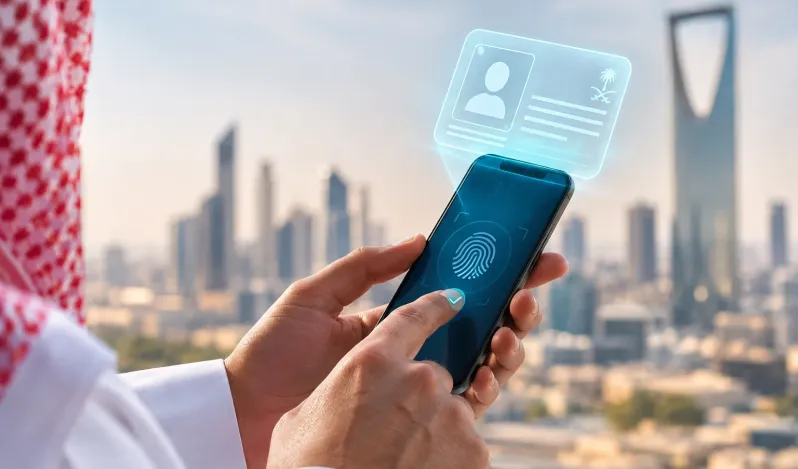


A non-Saudi residing outside the Kingdom needs an approved digital ID before being able to own any property in Saudi Arabia. This is the first step in the process of ownership according to the Non-Saudis Real Estate Ownership Law which came into effect on January 22, 2026. The executive regulations define the digital ID as digital data issued and approved by the Ministry of Interior, and require a bank account in the Kingdom and a Saudi mobile number in the buyer's name.
This guide explains what this digital ID is, who needs it, what should be prepared before applying, and how it relates to the purchase steps up to title registration. It also clarifies the difference between this digital ID and the one used by visitors on the Absher platform, as many search results confuse the two.
- What is the digital ID for property ownership in Saudi Arabia?
- Who needs the digital ID when owning property?
- Conditions for property ownership for non-residents in Saudi Arabia
- How do I obtain the digital ID?
- What is the difference between the property ownership digital ID and the visitor digital ID on Absher?
- What are the steps for purchasing after obtaining the digital ID?
- What are the property ownership fees for non-residents?
- Does the digital ID apply to Makkah and Madinah?
- Is ownership linked to residency?
- Common mistakes made by non-residents
- Frequently Asked Questions
What is the digital ID for property ownership in Saudi Arabia?
The digital ID is the identifier that allows non-residents to interact electronically with Saudi authorities without residency. Article 1 of the executive regulations states that it is digital data issued and approved by the Ministry of Interior. Article 2 states that a non-Saudi natural person who is not a resident must obtain it before owning property.
The General Real Estate Authority announced, after the Cabinet's approval in August 2025, that it would work with the Ministry of Interior, SDAIA, and the National Information Center on activation mechanisms. Its use is then linked to the Saudi Real Estate Portal established by the authority, which is connected to the real estate register and through which ownership and transaction requests are submitted.
Who needs the digital ID when owning property?
A non-Saudi natural person who does not reside in the Kingdom needs it, whether buying for residence or investment. A non-Saudi resident inside the Kingdom applies directly using their residency number on the portal, and eligibility is verified automatically according to the authority's announcement.
Requirements differ for companies and entities. A foreign company registers with the Ministry of Investment and discloses its owners. Its legal representative must hold an ID issued according to the Kingdom's regulations and open a bank account inside the Kingdom. Companies without a presence in the Kingdom register through the Invest in Saudi platform to obtain the unified number (700) before completing ownership procedures. The regulations treat the buyer's spouse and non-Saudi children as dependents for residential property ownership, with exceptions such as the end of marriage or the child reaching 25 years old.
Conditions for property ownership for non-residents in Saudi Arabia
Article 2 of the regulations sets three requirements for a non-resident natural person before ownership:
Requirement | Details |
|---|---|
Digital ID | Issued and approved by the Ministry of Interior |
Bank account in the Kingdom | In the buyer's own name |
Saudi contact number | In the buyer's name and linked to the digital ID |
In addition to these personal requirements, the property itself is subject to other conditions. It must be located within an approved geographic zone for non-Saudi ownership. The Cabinet approved these zones on June 23, 2026, along with the executive regulations. All payments are made via electronic methods approved by the Saudi Central Bank. For a review of the zones, see Geographic zones for foreign ownership, and for a comparison of general conditions, see Conditions for non-Saudi property ownership.
How do I obtain the digital ID?
The General Real Estate Authority announced at the start of implementation that non-residents begin the process through Saudi missions and embassies abroad, which issue the digital ID. The ID is then used to apply for ownership on the portal. Press reports in August 2025 mentioned that activation may occur via the Absher platform, but the authority's announcement at implementation is the latest reference.
As of our review, the official authorities have not published a detailed list of documents, issuance period, or fees for natural persons. Therefore, we recommend checking with the Saudi embassy or consulate in your country of residence to confirm the approved procedure and required documents before making any financial commitment. This aspect is among the most frequently updated, and we will update the guide when new official details are released.
What is the difference between the property ownership digital ID and the visitor digital ID on Absher?
Search results show the term "visitor digital ID," which relates to visitor services on the Absher platform, such as verifying the SIM card for visitors for tourism, Hajj, and Umrah, as in the SIM verification service launched by telecom companies in cooperation with the platform in 2025. This service serves the visitor during their stay in the Kingdom.
The digital ID required for property ownership is defined in the executive regulations of the ownership system. It is required for non-residents before purchase and is linked to the Saudi mobile number and bank account. We found no official text linking the two services. Therefore, activating the visitor ID on Absher should not be assumed as a substitute for the required ownership ID. Confirm with the issuing authority.
What are the steps for purchasing after obtaining the digital ID?
The practical process proceeds as follows: obtaining the digital ID, opening a bank account in the Kingdom in your name, issuing a Saudi mobile number in your name linked to the ID, choosing a property within an approved zone, submitting the ownership request via the Saudi Real Estate Portal, paying the value and fees through electronic payment methods, then documenting the transaction and registering the title deed.
For properties under construction, additional steps are required. The project must be licensed on the Wafi platform, and an escrow account must be linked to construction progress. The buyer is notified via the contact methods registered on the portal or by SMS to the verified mobile number. Therefore, the registered mobile number must remain active.
What are the property ownership fees for non-residents?
The General Real Estate Authority charges a fee of 2% on the value of a non-Saudi's real rights transaction. This includes Riyadh, Makkah, Madinah, and Jeddah, according to Article 9 of the regulations. Article 10 stipulates a zero rate in specific cases such as inheritance division and expropriation for public interest. These fees differ from the digital ID issuance fees, which have not yet been detailed by the authorities.
The regulations also warn that providing false or misleading information may result in a fine of up to 5% of the property's value, with a maximum of 10 million riyals, and a correction period ranging from 10 to 180 days depending on the violation.
Read also: Investment properties for sale in Madinah
Does the digital ID apply to Makkah and Madinah?
Ownership in Makkah and Madinah is limited to Muslim individuals and Saudi companies, whether inside or outside the Kingdom. This means that a non-resident Muslim follows the same process of digital ID, bank account, and mobile number, then the property is subject to geographic zone restrictions in the two cities. Non-Muslims are not allowed to own property there, regardless of nationality.
Is ownership linked to residency?
The digital ID does not grant residency. Property ownership grants ownership rights, while residency is regulated by separate programs, including the Premium Residency Program, whose conditions can be reviewed on the Premium Residency page. For details on the rights and general conditions for foreign owners, see Foreign ownership of real estate in Saudi Arabia.
Common mistakes made by non-residents
Paying a deposit before obtaining the digital ID and opening the bank account.
Registering a Saudi mobile number in another person's name, as the regulations require it to be in the buyer's name.
Assuming any listed property is available to foreigners, while ownership is limited to approved zones.
Relying on an old article mentioning the issuance process via Absher without verifying with the latest authority announcement.
Neglecting to verify the project license and escrow account for properties under construction.
The digital ID is the starting point for the ownership process for non-residents, followed by sequential steps from the bank account and mobile number to the approved zone and title registration. Any delay in one step delays the next. Therefore, organizing documents and verifying the property's status before transferring any funds is beneficial.
The Imtilak Global team follows up on updates to the ownership system and its regulations, supporting the client from goal setting, whether for residence or investment, to verifying the property's location within an approved zone and the validity of the project license, then arranging a real estate tour on-site or remotely before any commitment. Those planning to buy from outside the Kingdom can present their situation to our consultants and get a clear picture of the required steps for their case.
Frequently Asked Questions
What is the digital ID in Saudi Arabia for ownership purposes?
Digital data issued and approved by the Ministry of Interior, obtained by non-residents before owning property.
Where do I obtain the digital ID?
According to the General Real Estate Authority, non-residents start the process through Saudi embassies and missions abroad. Confirm the approved procedure with your country's mission.
How do I activate the visitor digital ID?
Absher organizes services for visitors such as SIM verification, which differs from the digital ID required for property ownership. Check with the issuing authority before relying on either.
What are the conditions for property ownership for non-residents?
Digital ID, bank account in the Kingdom in your name, Saudi mobile number in your name, and a property within an approved geographic zone.
Do I need residency to own property?
A non-resident can own property with a digital ID without residency.
What are the ownership fees?
2% of the transaction value according to Article 9 of the executive regulations.
common.blog.share_article


common.blog.share_article
common.blog.more_imtilak