Real Estate Ownership in Madinah for Non-Saudis
2026-07-07
8,509 common.blog.views
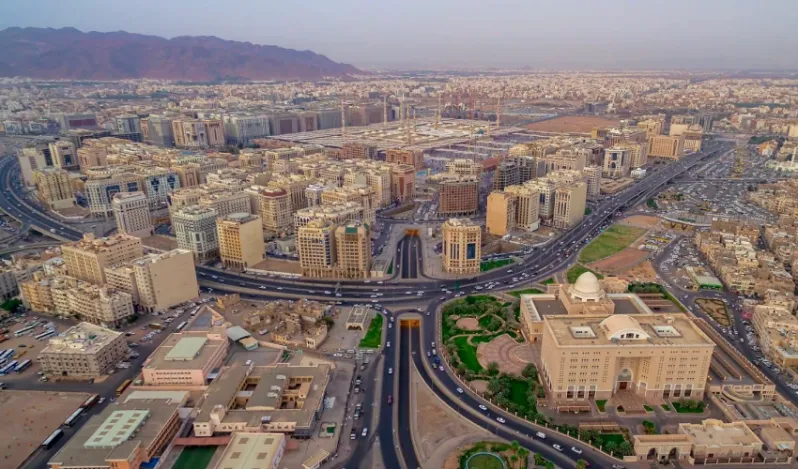


Foreign Real Estate Ownership in Madinah for Non-Saudis is now a legally established right. On 23 June 2026, the Saudi Council of Ministers approved the official geographical zones under the Foreign Real Estate Ownership Law, designating nine specific areas within Madinah where eligible foreign buyers can own property.
However, Madinah follows a unique legal framework that distinguishes it from all other Saudi cities. Direct property ownership is restricted to Muslim individuals, whether they are residents or non-residents of Saudi Arabia. Saudi companies with partial foreign ownership are subject to a separate regulatory pathway.
This guide explains who is eligible to own property in Madinah, which areas are open to foreign ownership, and what alternatives are available for buyers who do not meet the religious eligibility requirement.
Who Can Own Property in Madinah as a Foreigner?
The Saudi Foreign Real Estate Ownership Law explicitly states that property ownership in both Makkah and Madinah is limited to Muslim natural persons. This requirement is absolute and does not depend on nationality, country of residence, or financial status.
A Muslim from any country may purchase property within the officially approved zones, while non-Muslims are not permitted to acquire residential or commercial property directly in Madinah under the current regulations.
For Muslim expatriates residing in Saudi Arabia, property purchases can be completed directly through the Saudi Real Estate Platform using a valid residence permit (Iqama).
Muslim buyers living outside Saudi Arabia must first obtain and activate a Saudi Digital Identity through the Absher platform before submitting a property ownership application.
9 Approved Areas for Foreign Property Ownership in Madinah
The officially approved zones for Real Estate Ownership in Madinah include:
-
Al Gharra
-
Al Madinah Area 1
-
Al Madinah Area 2
-
Al Mahwa
-
Dar Al Hijrah
-
Downtown Madinah
-
Diyar Al Maqar
-
Rua Al Madinah
-
Knowledge Economic City
-
Mushraf
These designated areas extend from locations surrounding Al-Masjid an-Nabawi (the Prophet's Mosque) to newly developed residential and mixed-use districts across the city.
- Downtown Madinah
Located within the central district surrounding the Prophet's Mosque, Downtown Madinah is among the city's most sought-after investment locations. It attracts pilgrims and visitors seeking permanent accommodation within walking distance of the Haram, with residential towers, serviced apartments, and hospitality developments forming the majority of available properties.
- Al Gharra, Diyar Al Maqar & Rua Al Madinah
These integrated residential developments combine convenient access to the Prophet's Mosque with modern master-planned communities offering comprehensive amenities, making them attractive for both end-users and long-term investors.
- Dar Al Hijrah
Dar Al Hijrah carries exceptional historical and cultural significance due to its connection with the Prophet's migration route (Hijrah). Its unique heritage character appeals to investors seeking properties with both symbolic value and long-term investment potential.
- Knowledge Economic City
Knowledge Economic City is one of Saudi Arabia's flagship mixed-use developments, integrating education, innovation, residential communities, commercial districts, and business facilities into a single master plan.
It also represents one of the few approved zones where Saudi companies with partial foreign ownership enjoy broader property ownership opportunities under the applicable regulations.
- Al Mahwa, Mushraf & Al Madinah Areas 1 and 2
These emerging development zones are distributed across different parts of Madinah and include a mix of residential, commercial, and mixed-use projects. The exact boundaries, permitted uses, and available property types can be verified through the official Saudi Real Estate Platform before proceeding with a purchase.
Why Does Madinah Have Different Property Ownership Rules?
The regulations governing foreign property ownership in Madinah for non-Saudis reflect the city's unique religious, strategic, and urban significance within Saudi Arabia:
Religious Significance: As the home of Al-Masjid an-Nabawi (the Prophet's Mosque) and one of Islam's two holiest cities, Madinah is subject to special legal provisions that restrict direct property ownership by individuals to Muslims only.
National Planning Considerations: The Saudi government maintains close oversight of urban development surrounding the Prophet's Mosque to ensure future expansion, infrastructure, and real estate projects continue to serve residents, pilgrims, and visitors while preserving the city's long-term development strategy.
Security Considerations: Madinah welcomes millions of visitors every year, making it one of Saudi Arabia's most strategically managed cities. The regulatory framework governing foreign ownership forms part of a broader system designed to manage population growth and urban expansion in a highly sensitive location.
Sustainable Urban Development: The approved ownership zones are intended to ensure that foreign investment supports Madinah's official master plans without disrupting the city's long-term residential, commercial, and infrastructure objectives.
Can Non-Muslims Invest in Madinah?
Although non-Muslims cannot directly own real estate in Madinah, several legal investment options remain available.
Investing Through a Qualified Saudi Company
A Saudi company with partial foreign ownership may acquire property within the approved zones for legitimate business purposes, such as commercial operations or employee accommodation.
This route requires the company to be registered with the Ministry of Investment of Saudi Arabia (MISA) and to appoint an authorized legal representative holding a valid Saudi identification.
Investing Through the Saudi Capital Market
Non-Muslim investors may gain exposure to Madinah's real estate market by purchasing shares in publicly listed Saudi real estate companies with assets in Madinah or by investing in Saudi REITs (Real Estate Investment Trusts) that include properties within the city.
These investments are regulated by the Capital Market Authority (CMA) and are not subject to any religious eligibility requirements.
Long-Term Usufruct Rights
Certain developments in Madinah offer long-term usufruct agreements extending for up to 99 years as an alternative to freehold ownership.
Depending on the project, these agreements can provide long-term occupancy and investment benefits comparable to ownership. However, eligibility and contractual rights vary from one development to another, making legal due diligence essential before signing any agreement.
Practical Tips for Buying Property in Madinah
Any offer promoting direct foreign ownership outside the nine officially approved zones should be treated with caution. Always verify the property's legal status through the Saudi Real Estate Platform before paying a reservation fee or signing a purchase agreement.
Some developments are marketed as being located in Madinah even though they fall outside the city's official administrative boundaries. This distinction can significantly affect ownership eligibility and the legal requirements applicable to the property.
Before purchasing, determine whether you are acquiring: Full freehold ownership, or A long-term usufruct right. The legal rights, investment value, and resale options differ considerably between the two.
The Madinah Region Development Authority is the primary government body responsible for overseeing urban planning and development within the city. Its official announcements provide the most reliable source for future updates regarding approved ownership zones and development regulations.
Foreign property ownership in Madinah for non-Saudis has evolved from a complete prohibition into a regulated opportunity within nine officially designated zones. Nevertheless, unlike any other city in Saudi Arabia, direct ownership by individuals remains exclusively available to Muslims.
For eligible Muslim buyers, Madinah offers the opportunity to own property in one of the world's most significant Islamic destinations, supported by consistent demand from pilgrims and visitors throughout the year.
Non-Muslim investors, meanwhile, can still access the Madinah real estate market through qualified Saudi companies, listed real estate firms, and regulated REIT investments without acquiring property directly.
At Imtilak Global, our advisors first assess your eligibility under the current regulations, then verify the legal status of each project within the approved ownership zones before presenting suitable investment opportunities. Contact our Madinah property specialists or explore our latest properties for sale in Madinah.
Frequently Asked Questions
Can a non-Muslim directly own property in Madinah?
No. Direct property ownership by individuals is limited to Muslim non-Saudis. Non-Muslims may instead invest through qualified Saudi companies, publicly listed real estate companies, or Saudi REITs.
Is living in Madinah required to keep ownership?
No. Continuous residence is not required to maintain ownership. However, buyers seeking to combine property ownership with the Property Owner Premium Residency must meet the applicable physical presence requirements, including spending at least 10 days during the first year and 5 days in each subsequent year.
Can foreign owners rent out their property in Madinah?
Yes. Subject to the applicable ownership regulations, foreign owners may lease their properties. Rental demand, particularly for properties located near the Prophet's Mosque, has historically remained strong due to the continuous flow of pilgrims and visitors.
Will the approved ownership zones expand in the future?
Potentially, yes. The geographical ownership zones were established by a Council of Ministers decision and may be amended in the future. While additional zones could be introduced as the market develops, no official timeline has been announced.
common.blog.share_article


common.blog.share_article
common.blog.more_imtilak